

Top stories
-
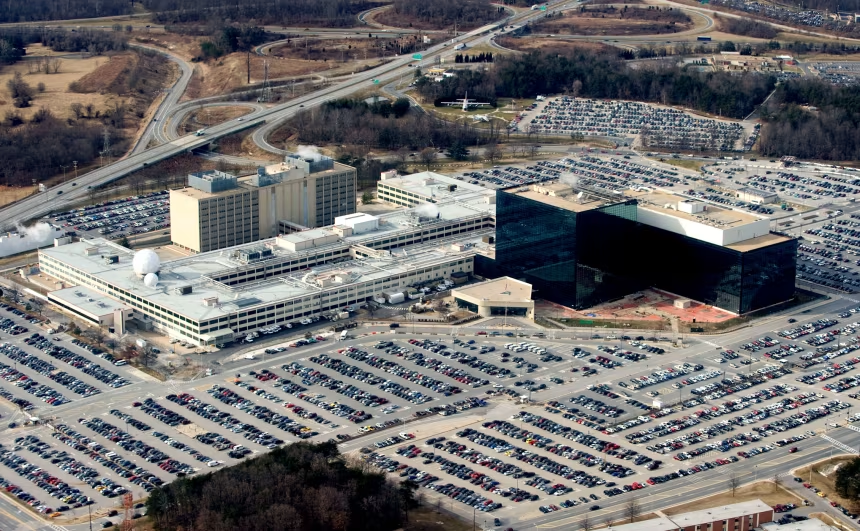
NSANet Is Down: What We Know, What We Do Not, and Why Patching Is a Public Question
The NSA’s classified internal network, NSANet, went down on November 17, closing the Fort Meade campus to most employees. Officials cite a software patch and report no sign of a…
-
Six Outages in Six Days: Is It a Pattern? The Question the Public Should Ask
Six major U.S. outages hit the FAA, Microsoft, Chase, United, the NSA and Apple in six days. Officials report no…
-
The Chase Outage and Zelle Delays: How One Bank’s Software Bug Reached Customers Everywhere
On November 16, a software bug in JPMorgan Chase’s on-premise hardware slowed transactions, and customers of Bank of America, U.S.…
Latest stories
-
Build It With the Controllers: The Danger of Rolling Out SMART Without NATCA
The FAA expanded its MI-powered SMART tool to all 22 air traffic control centers three days before the November 13 ground stop, yet the controllers’…
-
Fiber First? The Questions to Ask Before $50 Billion for Air Traffic Control
After the FAA’s November 13 ground stop, the White House asked Congress for $50 billion to modernize air traffic control. Should fiber and wiring come…
-
The November 13 Ground Stop: What a Department of Technology Would Have Done Differently
On November 13, 2026, the FAA grounded flights nationwide for over four hours. Explore what is known about the recent outage, where officials disagree, and…
-
Self-Revising MI: Why Machine Intelligence That Rewrites Itself Needs a Plain-English Name
Machine Intelligence that can rewrite itself needs a name the public understands and the law can use. We propose Self-Revising MI and explain why it…
Our Data Centers Series
Our future of Machine Intelligence will not be built on algorithms and chips alone. It will depend on where we build, how we power, and whether we build the infrastructure responsibly.
Explore the issues
More from our newsroom
Featured project · MIOS
The OS for Machine Intelligence.
Built from the ground up. Open by design. Independently stress-tested.
Every advanced Machine Intelligence system running today is bottlenecked by an operating system designed for a word processor. MIOS is our proposal to fix that: a clean-slate, open-standard operating system built natively for machine intelligence.
Four principles that change everything
Featured research · Machine Intelligence
What happens when machines can rewrite themselves?
Machine Intelligence is moving into territory that demands a new level of public understanding.
Some systems can already propose changes to their own code, tools, and operating processes. But an important distinction remains: who approves those changes—the human, or the machine itself?
We propose a clearer name for this emerging capability: Self-Revising MI.
Discover why terminology matters, how to distinguish human-authorised modifications from autonomous self-revision, and why establishing clear definitions is essential to understanding and governing this emerging capability.
Explore the case for a plain-English name and a practical three-level framework for identifying, understanding, and governing self-revising systems.
Three levels of machine revision
Understanding the distinction between human-directed change and autonomous self-revision.